

AUTOMATIC VIDEO
SURVEILLANCE SYSTEM
"OKO CYCLOPE"
PURPOSE OF THE VIDEO SURVEILLANCE SYSTEM
"OKO ZIKLOPA"
An autonomous video surveillance system, hereinafter referred to as AVS, is designed to record the movement of people, equipment, and subsequently an object, and conduct video surveillance near or in the controlled area.
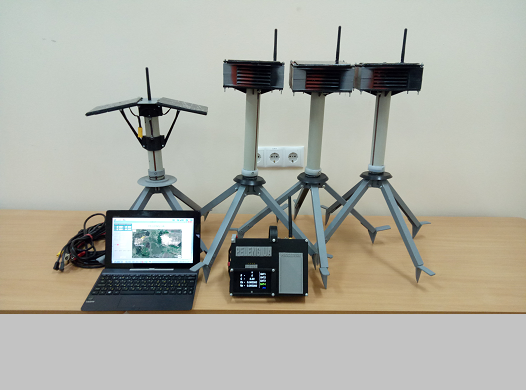
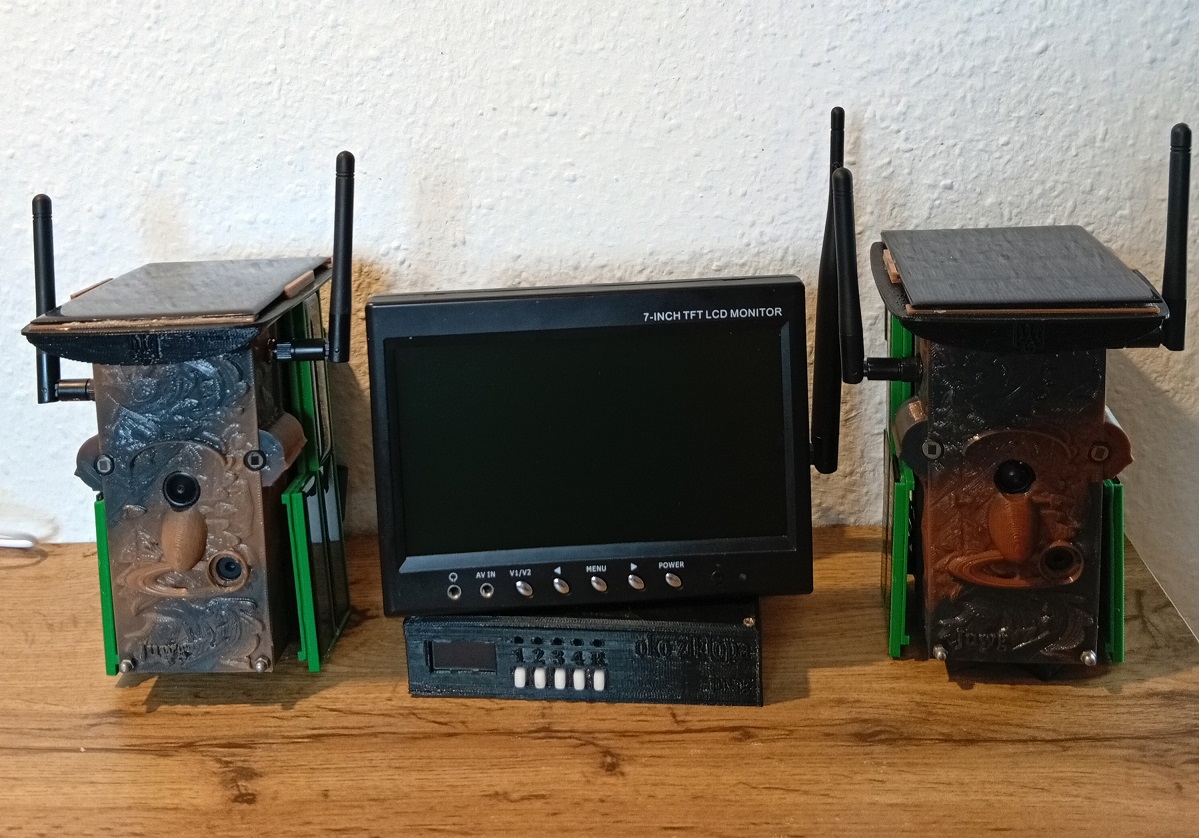
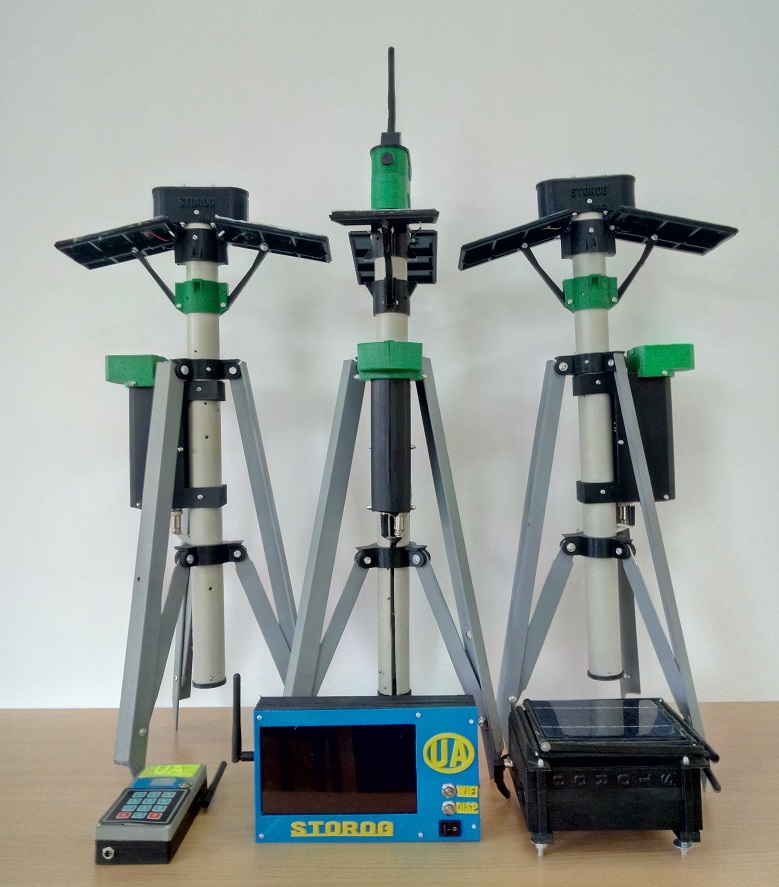
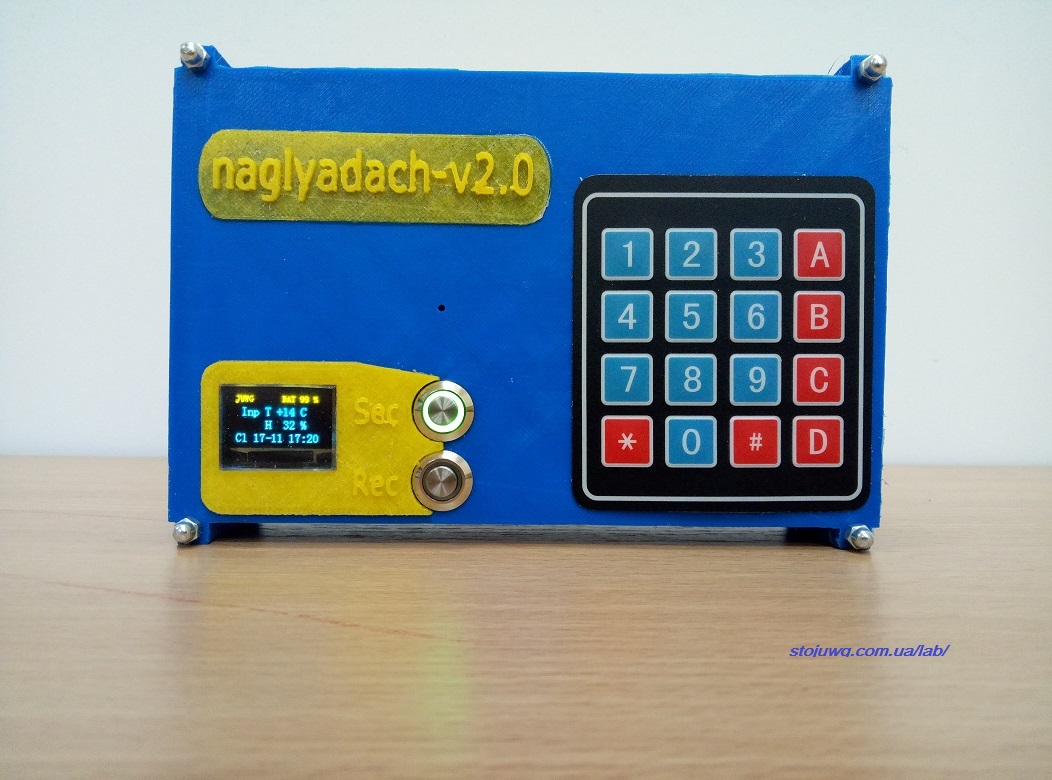
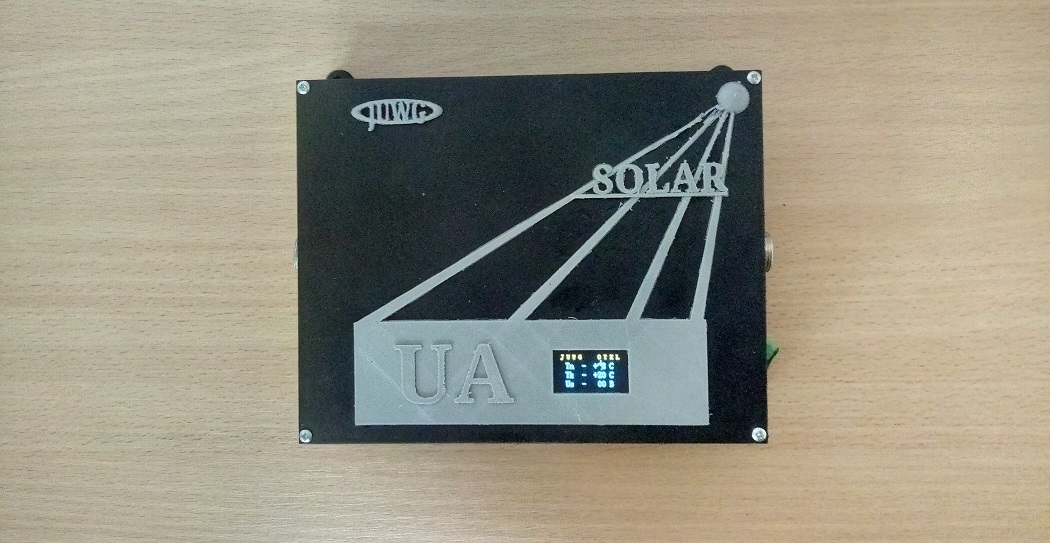
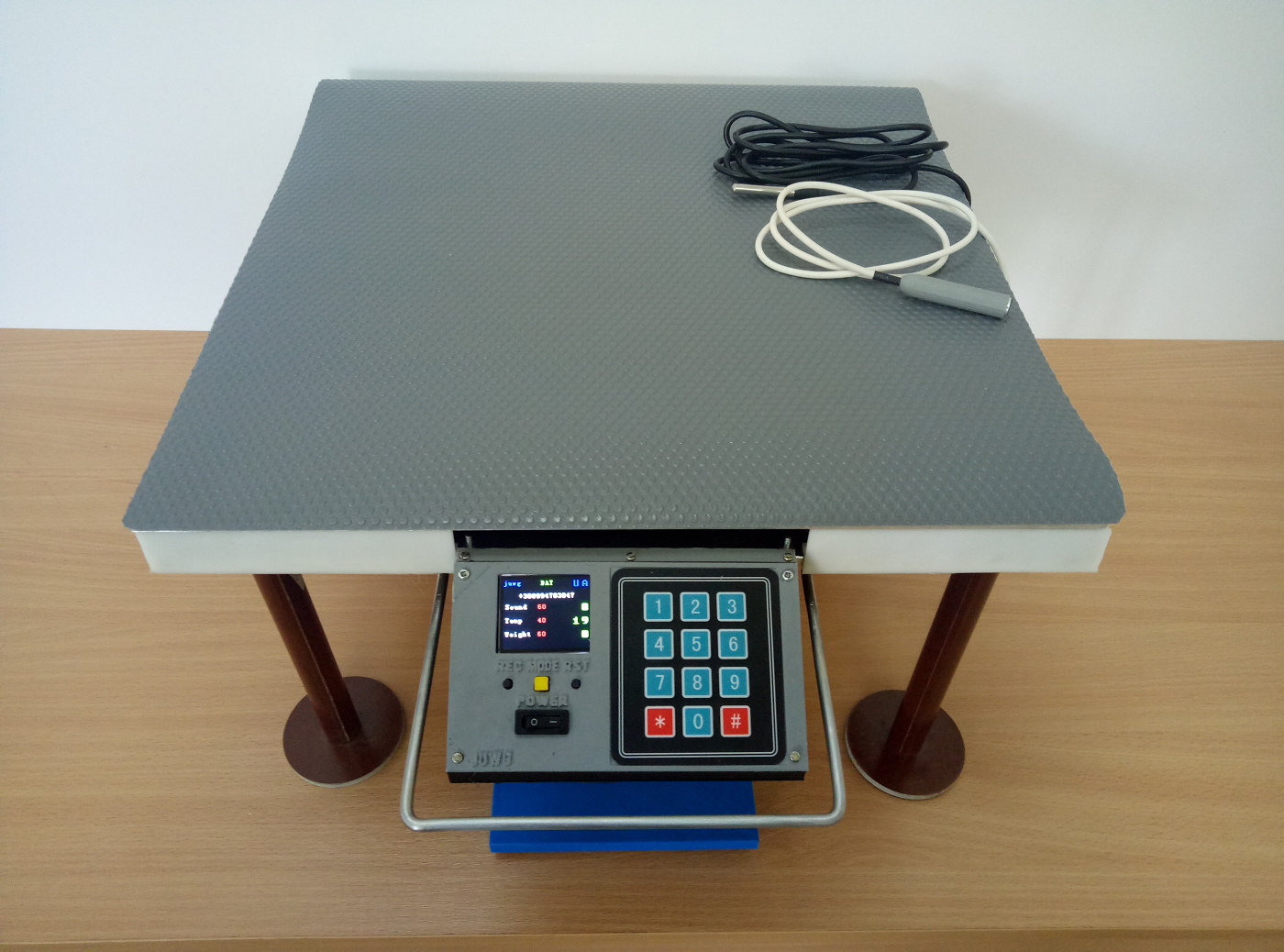
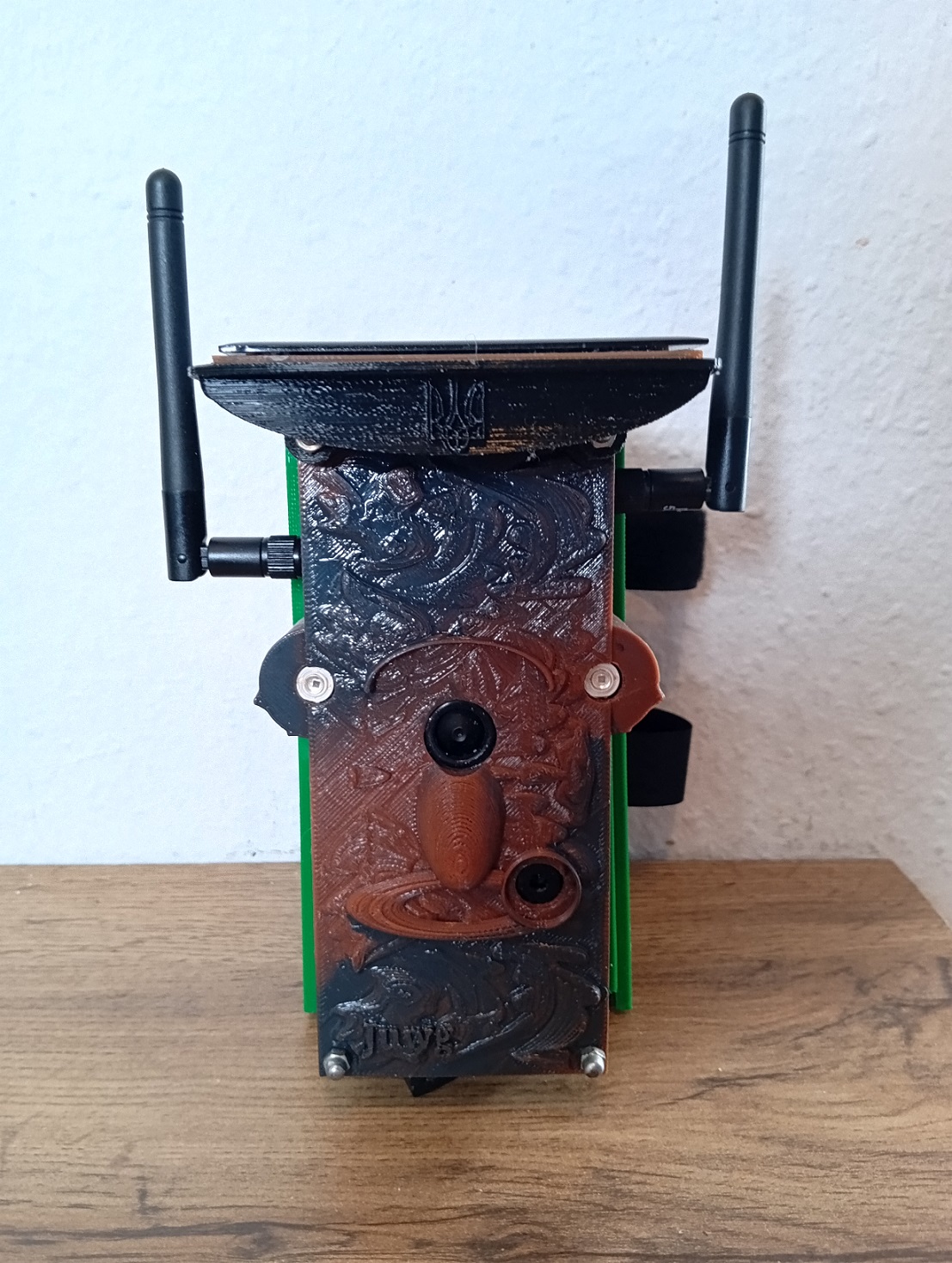
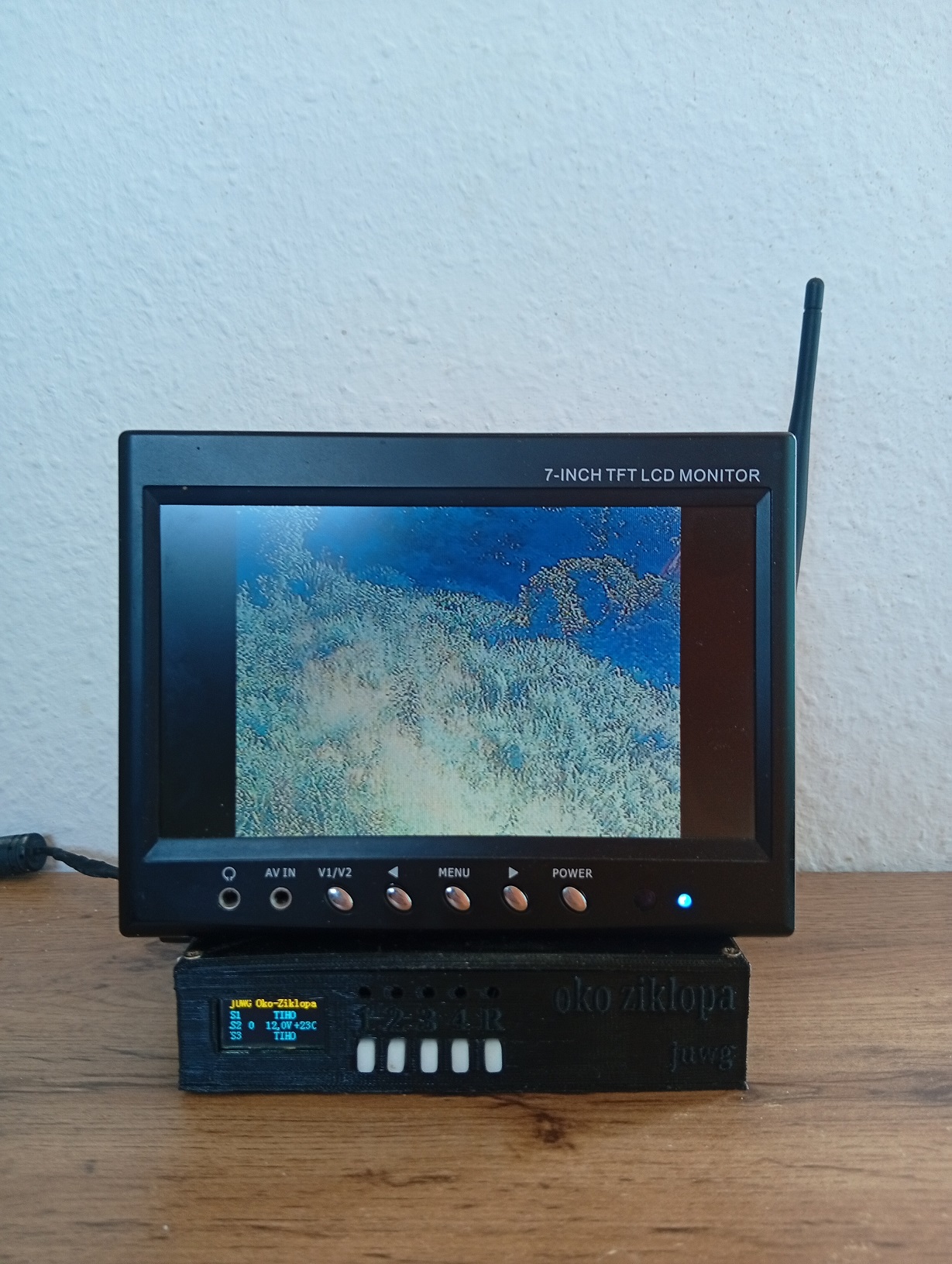
The ACS has a central unit with a video display and four video surveillance devices (hereinafter referred to as sensors).
The sensors work on the principle of sensors of modern radar devices, the Doppler effect.
The sensor registers signals about the operation of the sensors, transmits them using the radio communication device to the central unit.
The sensor automatically turns on the video camera and the video signal transmitter and transmits the image to the central unit.
Depending on the information received from the sensor, the central unit connects the video signal receiver, the central unit screen
to display the video image and records the received video image to a CD disk. To monitor the number of sensor operations
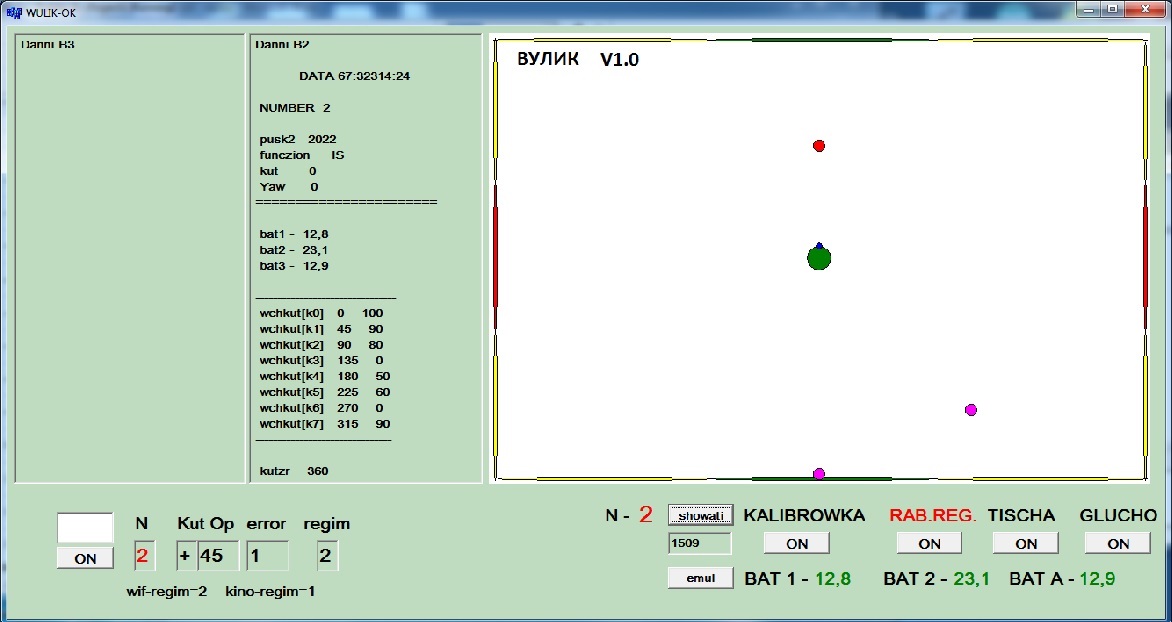
and the state of the sensor batteries, the information is displayed on the central unit display.
AVS MODES
The AVS video surveillance system has the following operating modes:
- SENSORS:
- observation mode (only the controller, Doppler sensor, and thermal sensor work);
- Doppler sensor motion detection mode (person, equipment, or large animals);
- connection mode of the video camera and the video signal transmitter;
- command transmission mode via the radio control channel and image transmission
via the radio channel of the video transmitter;
- forced control mode of the video camera and video image transmission according to
to the control channel commands;
- standby mode for battery charging if the battery voltage level is below the threshold value;
- CENTRAL UNIT:
- standby mode (only the radio control channel and information display work);
- operation mode (command is received via the control channel),
operation mode (a command is received via the control channel,
the video image receiver is connected, the video image is received,
the video image is recorded on a CD card);
- sensor control mode (activation or deactivation of the desired sensor).
AVS TECHNICAL SPECIFICATIONS
The AVS has the following characteristics:
- communication range between the central unit and sensors
-
10000 m;
(depending on terrain and equipment)
- transmission frequency of control commands (depending on the configuration)
-
230, 433 MHz;
- video transmission frequencies (depending on configuration)
- 900, 1200, 2400, 5800 MHz.
AVS SENSOR DESIGN
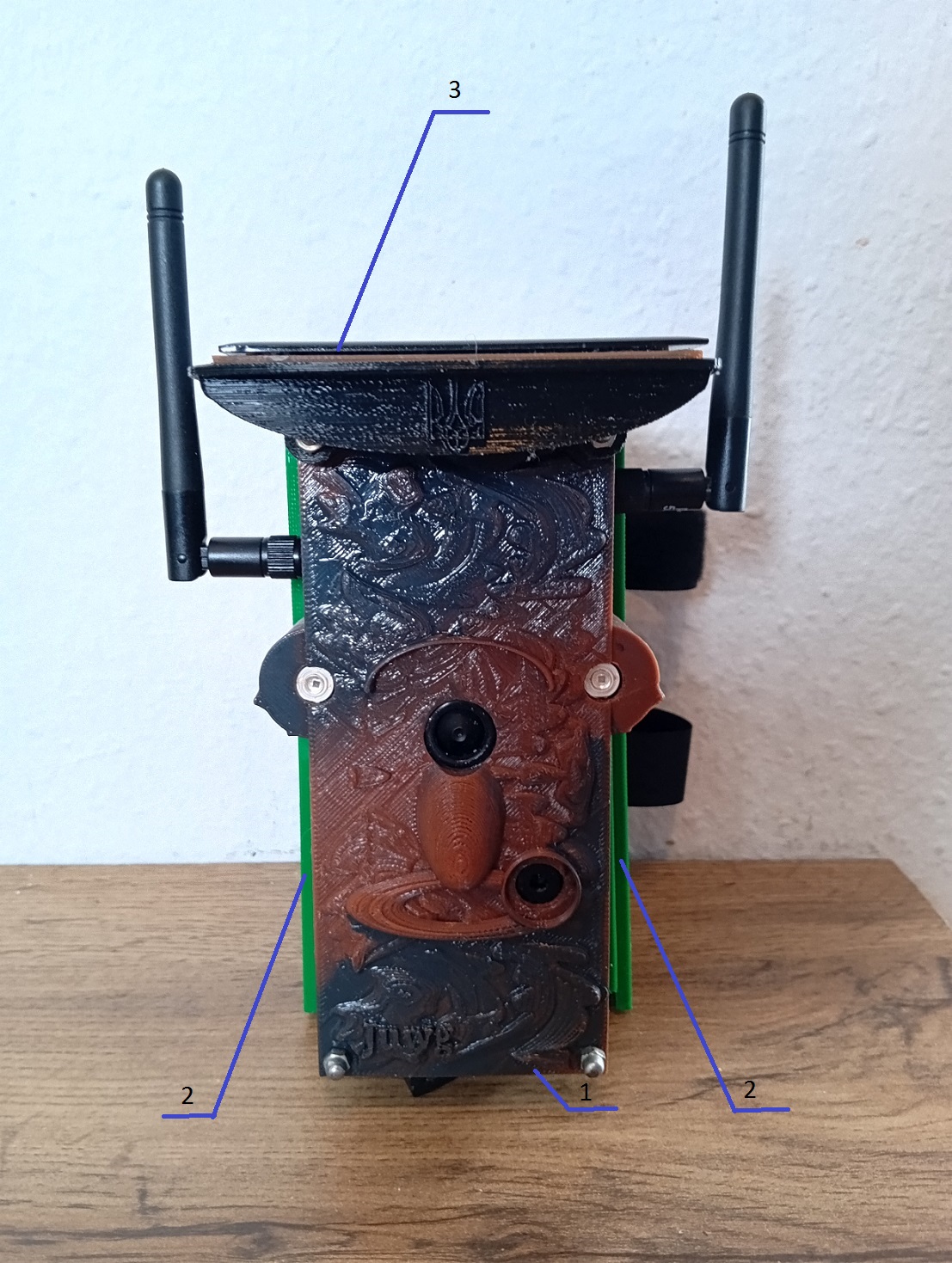
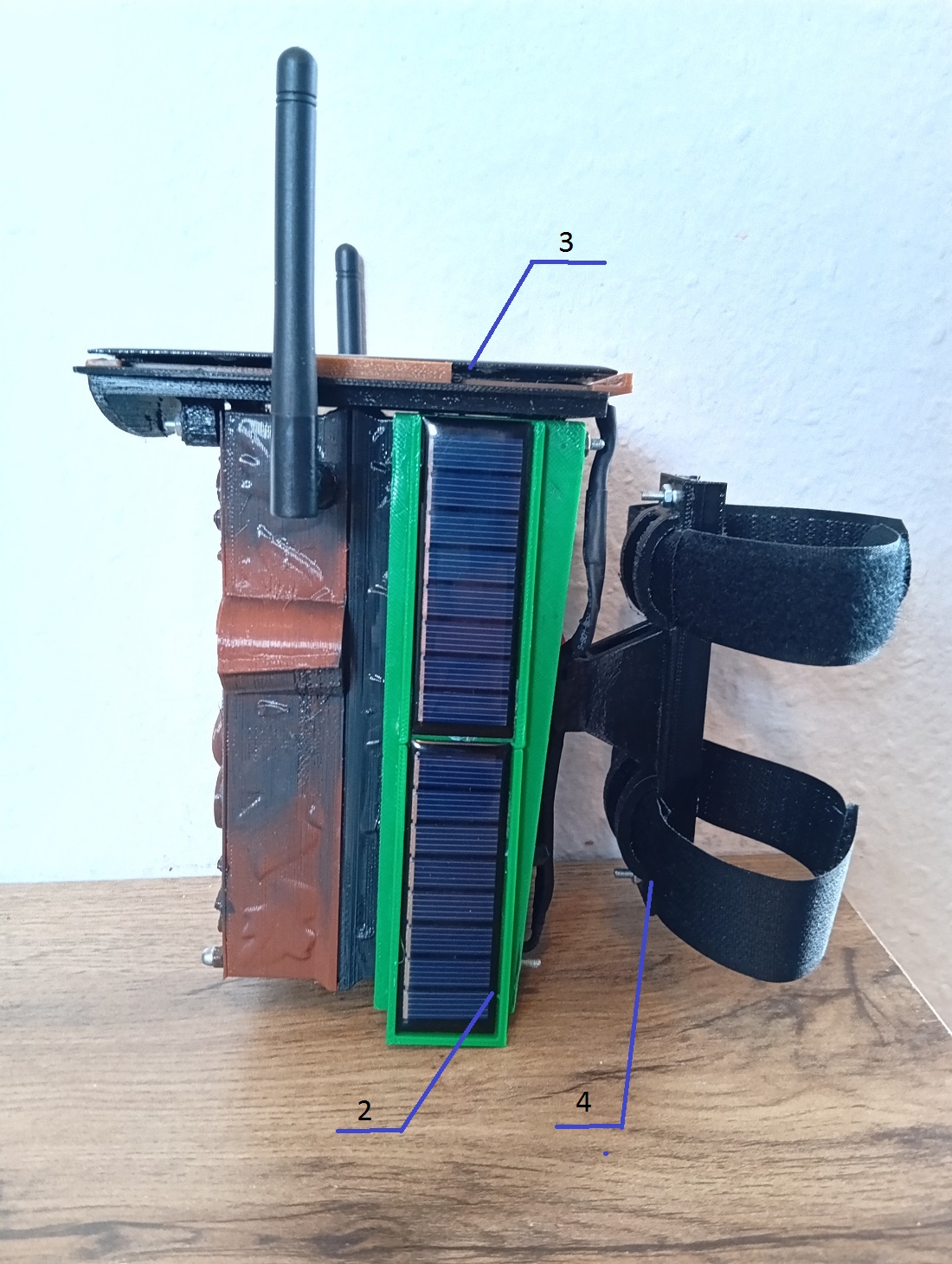
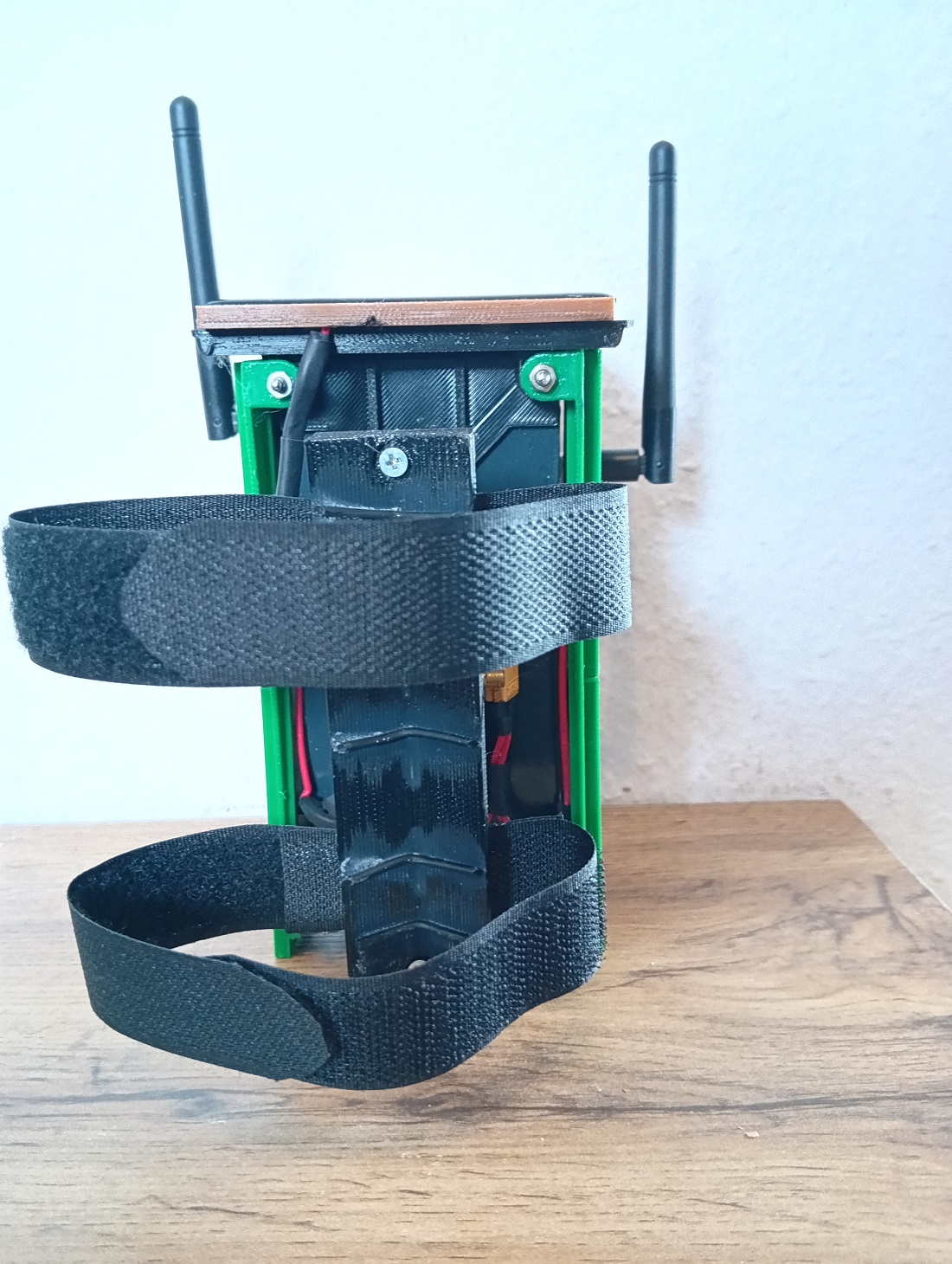
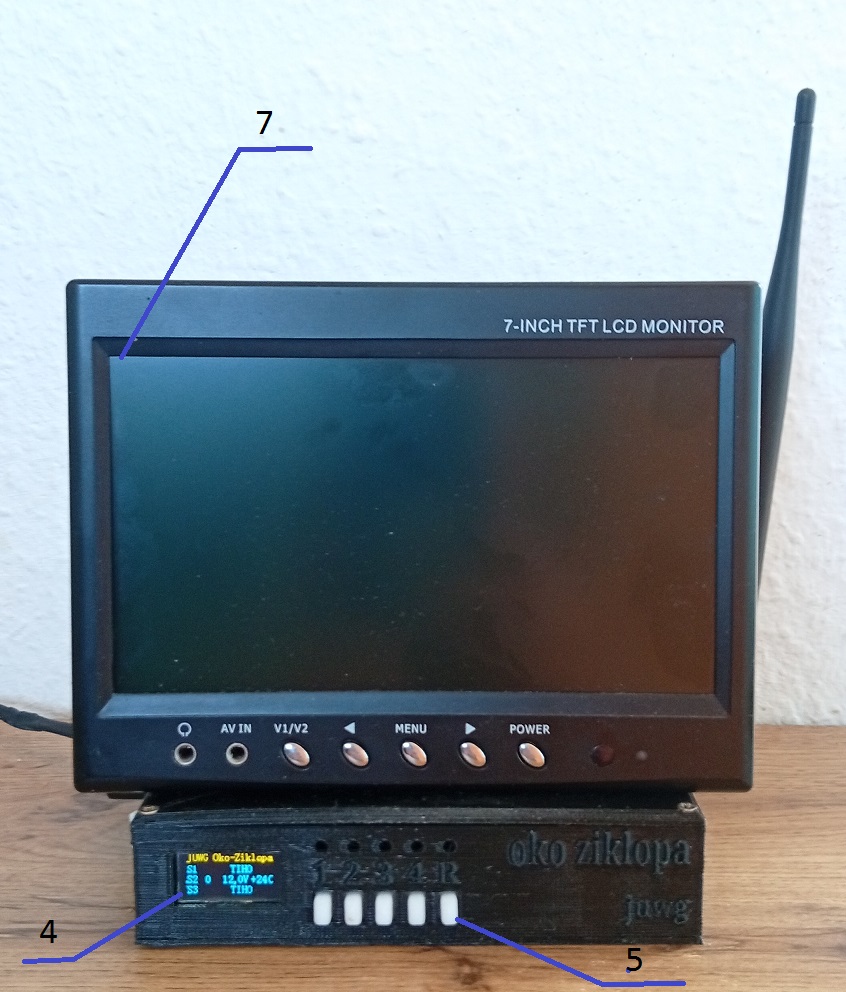
Device design elements:
1 - device body;
2 - side solar panels;
3 - upper solar panel;
4 - external mounting of the device;
5 - sensor status control display;
6 - keyboard for forced activation of sensors;
7 - video display.
We are ready to cooperate with manufacturers and investors who are interested
in the industrial release of these devices.
We are ready to put the experimental samples for testing by you.
At your request, we can make an individual order.